Drag
Origins

Two farms. One long morning.

Every can of Drift is a blend of exactly two places: a ridge above Pitalito in Huila, Colombia, and a cooperative of smallholders in the Kebele Hills of Sidama, Ethiopia. We buy from both at a fixed price agreed before harvest, and we have visited every year since 2021. This is where the eighteen hours start.

Huila 1,750 mSidama 2,050 mHarvest Oct – JanRelationship Since 2021
Cordillera Central, Colombia

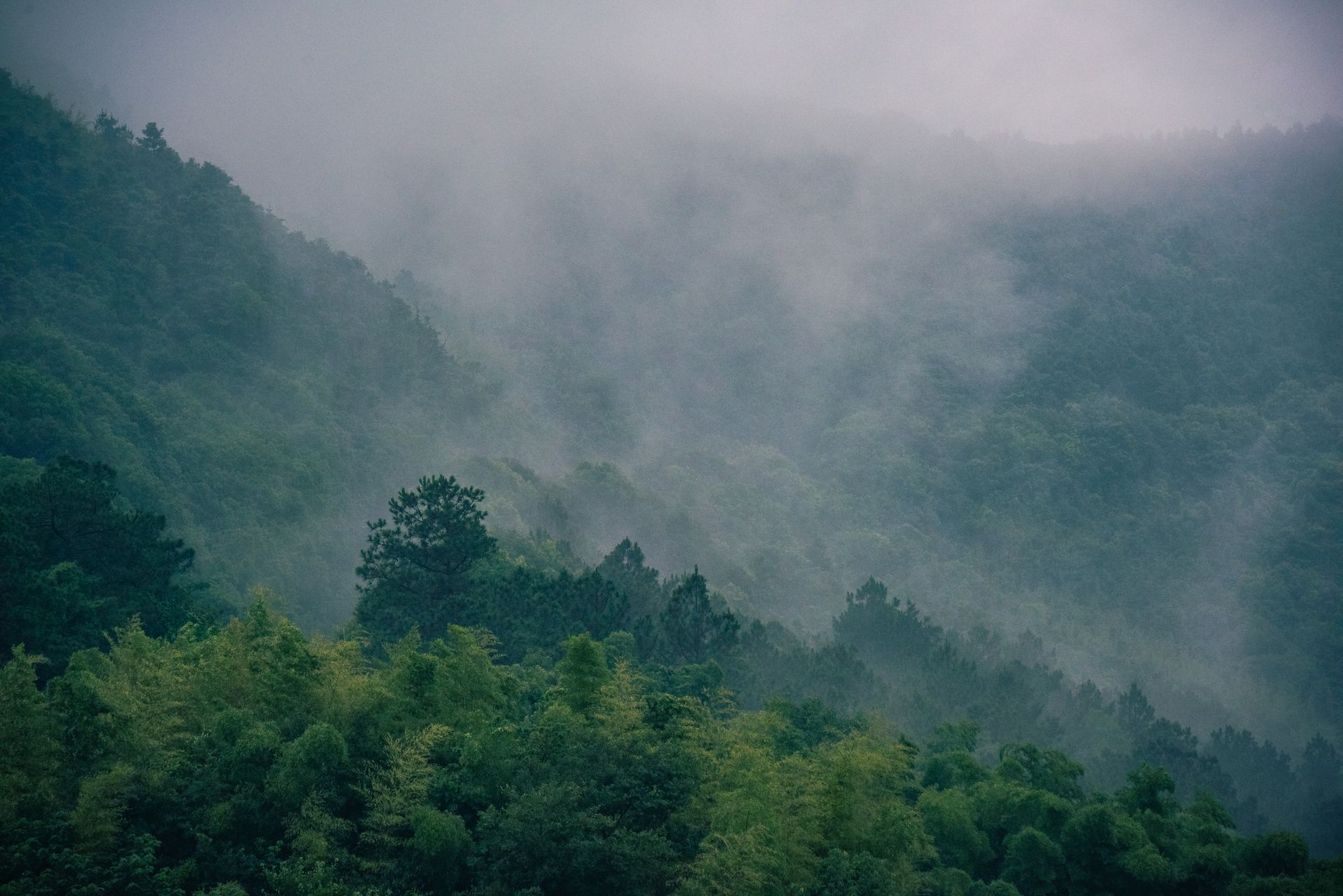
Cloud sits in the valley until ten. The cherries don't mind.

Finca Los Naranjos

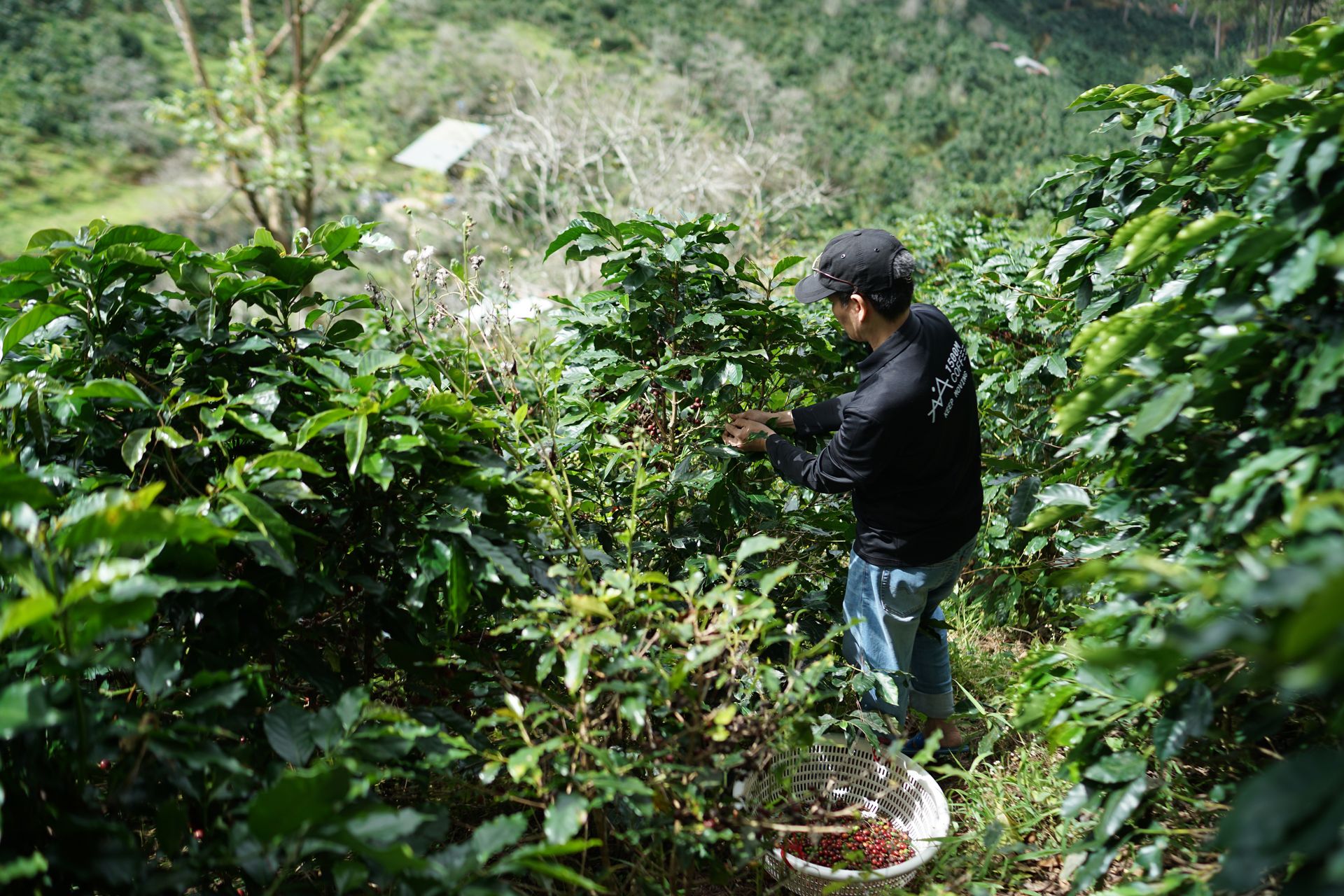
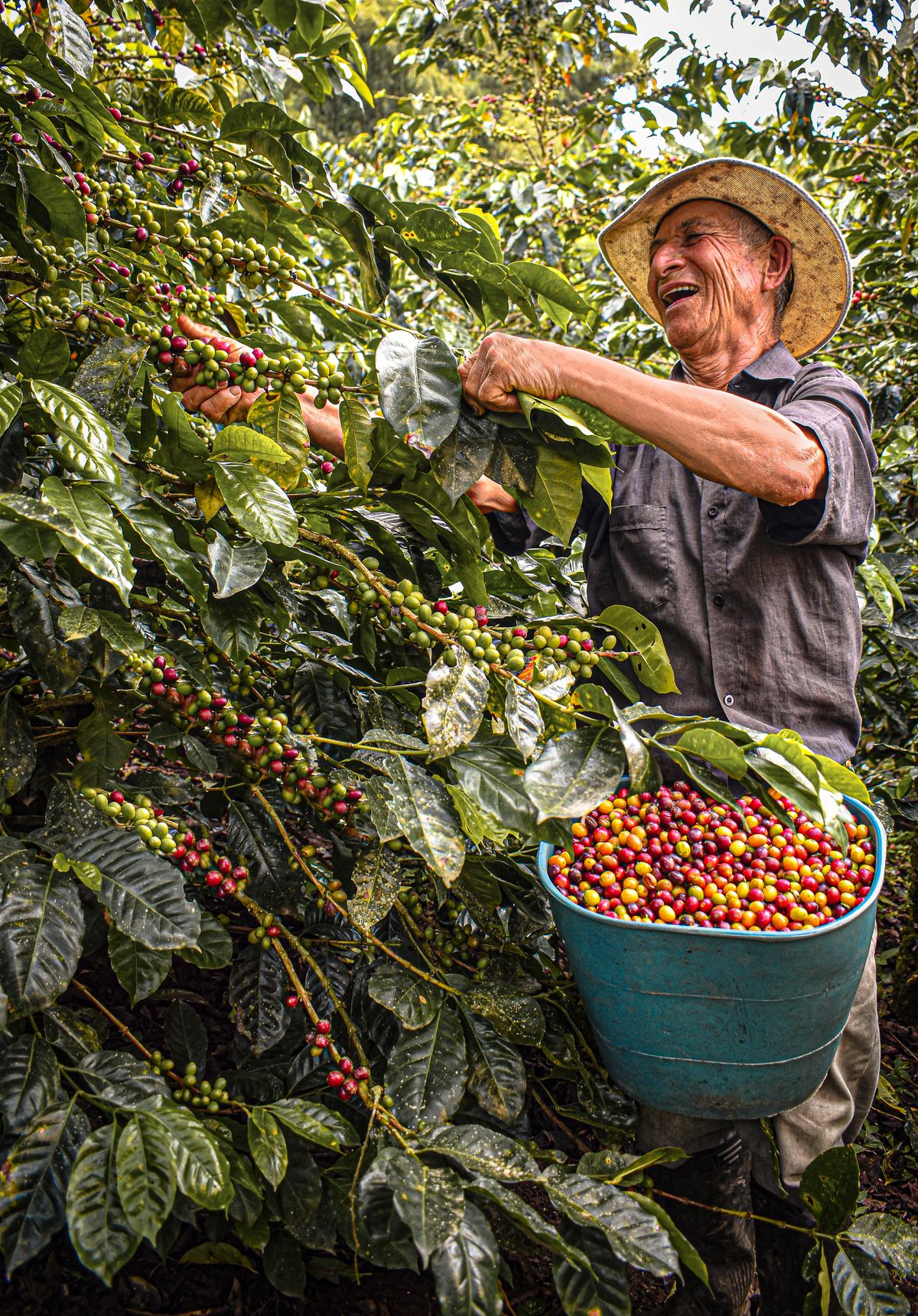
A farmer picking coffee on a steep hillside plantation

Pitalito, Huila. 1,750 metres.

Don Álvaro Muñoz took over the farm from his mother in 1988 and has planted nothing but Caturra and a little Pink Bourbon since. Forty hectares on a north-facing ridge, shaded by guamo trees, picked by hand over eleven weeks each spring.

Washed for 36 hours. Dried on patios for twelve days.

The washed lot gives Drift its body: dark chocolate, a long toffee finish, the thing that makes the Original taste like coffee rather than juice.

The two lots

Blended after roasting, never before. Sixty-forty, and we argue about it every year.

A Colombian farmer harvesting ripe coffee cherries into a basketLos Naranjos · Huila

Finca Los Naranjos

60%

A single family farm on a ridge above Pitalito. Don Álvaro, his daughter Camila, and twelve pickers who come back every season. Washed process, patio-dried.

Variety
Caturra · Pink Bourbon
Altitude
1,680 – 1,820 m
Process
Washed, 36 h ferment
In the cup
Dark chocolate, toffee, body
Harvest
Oct – Dec (main) · Apr – Jun (mitaca)
Price paid
2.4× the C-market, fixed
Hands sorting green coffee beans on a bamboo sieveKebele Hills · Sidama

Kebele Hills Cooperative

40%

Three hundred and twelve smallholder families around Bensa, each with a garden of a few hundred heirloom trees. One washing station, one drying field, one very good accountant named Tsion.

Variety
Heirloom · 74158
Altitude
1,950 – 2,150 m
Process
Natural, raised beds, 21 days
In the cup
Black cherry, bergamot, honey
Harvest
Oct – Jan
Price paid
2.1× the local auction, fixed
Turned every hour, for twelve days
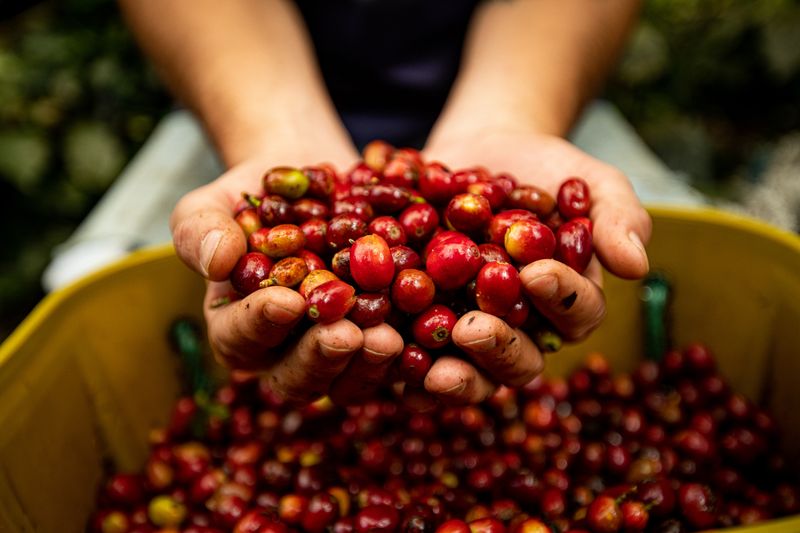
Hands holding freshly picked coffee cherries
Bensa, Sidama · 2,050 m

Sidama

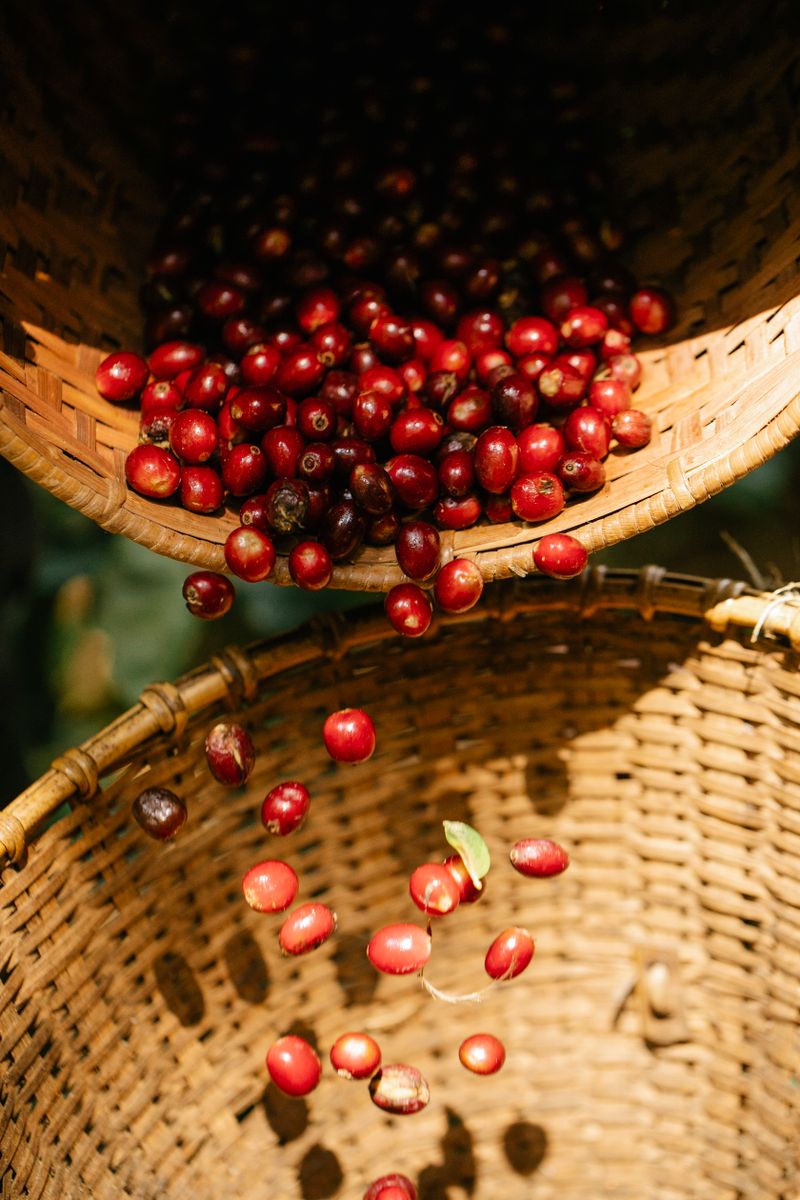
Coffee cherries tumbling into a wicker basket

The fruit comes from the hills. Three hundred gardens, one drying field.

Sidama coffee is mostly grown in gardens rather than farms: a few hundred trees behind a house, under enset and false banana, picked by the family that lives there. The cooperative pools the cherries at a single washing station above Bensa, where they are sorted by hand and dried whole on raised beds for three weeks. The natural process is what gives Drift its black cherry and that faint, improbable note of bergamot.

312Smallholder families
21Days on raised beds
2,050Metres above the sea
Green to roasted

Eleven minutes on Marguerite. Drag to see what the heat does.

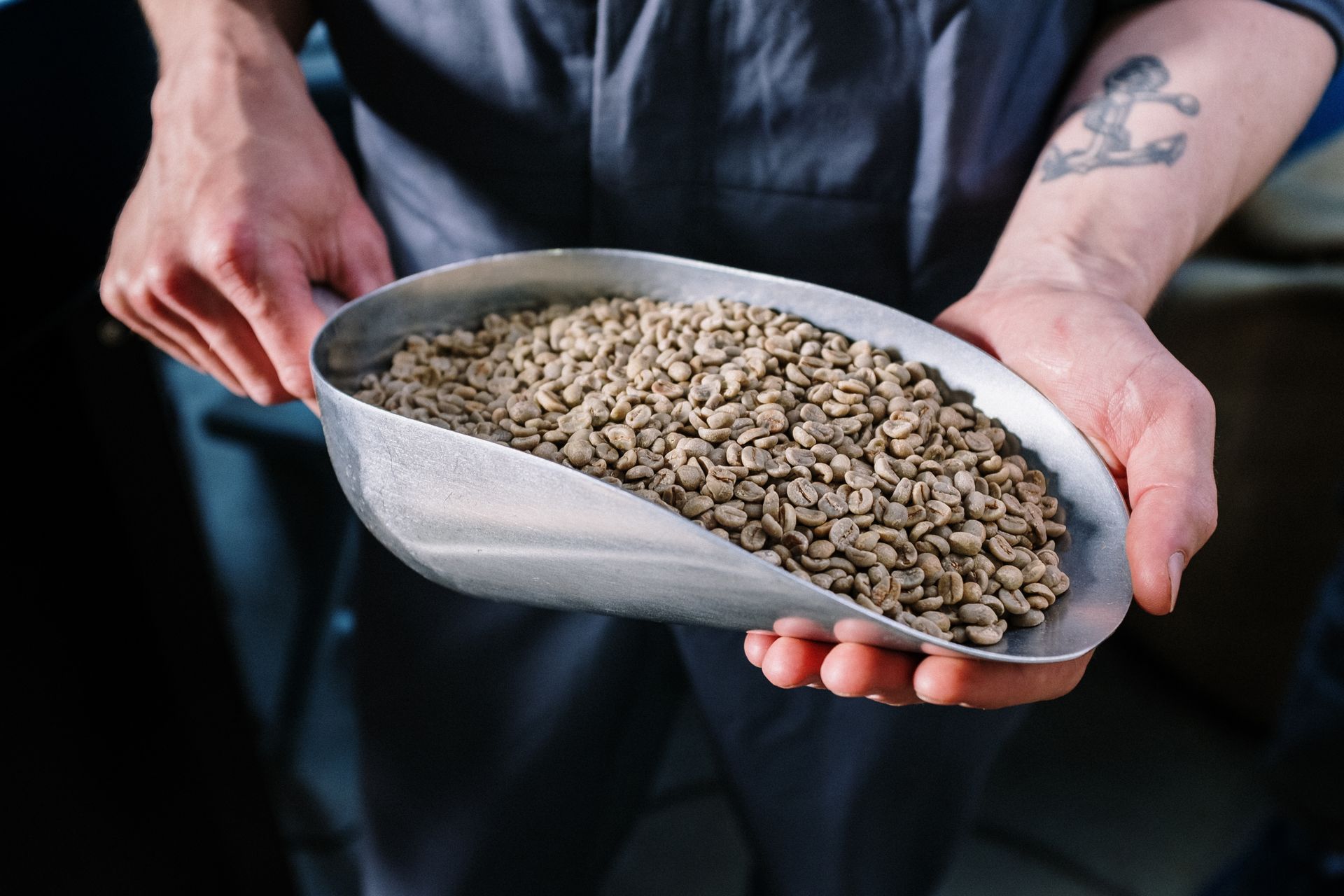
Green, unroasted coffee beans in a scoop
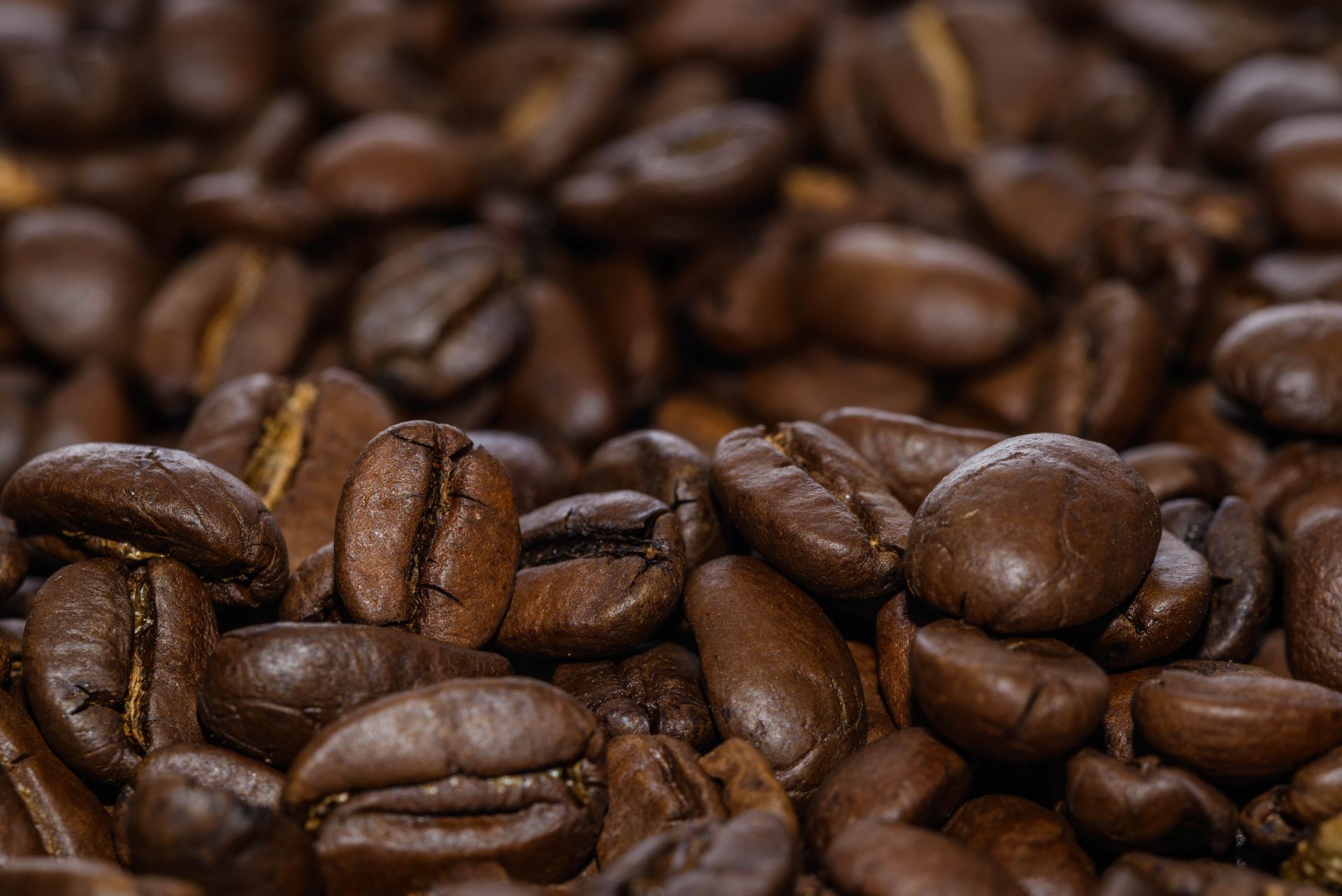
Freshly roasted coffee beans, close up
Green · 11% moisture Roasted · 196 °C drop

01Farm

Pitalito → Buenaventura

Picked, washed, dried, and driven to the coast.

Parchment coffee leaves the farm in sixty-kilo bags in February. It rests at the mill in Pitalito for three weeks, is hulled and graded, then travels fourteen hours by truck to the port of Buenaventura.

  • Cherry to parchment: 14 days
  • Rest at the mill: 21 days
  • Sea freight to Melbourne: 31 days

02Roastery

14 Rokeby Street, Collingwood

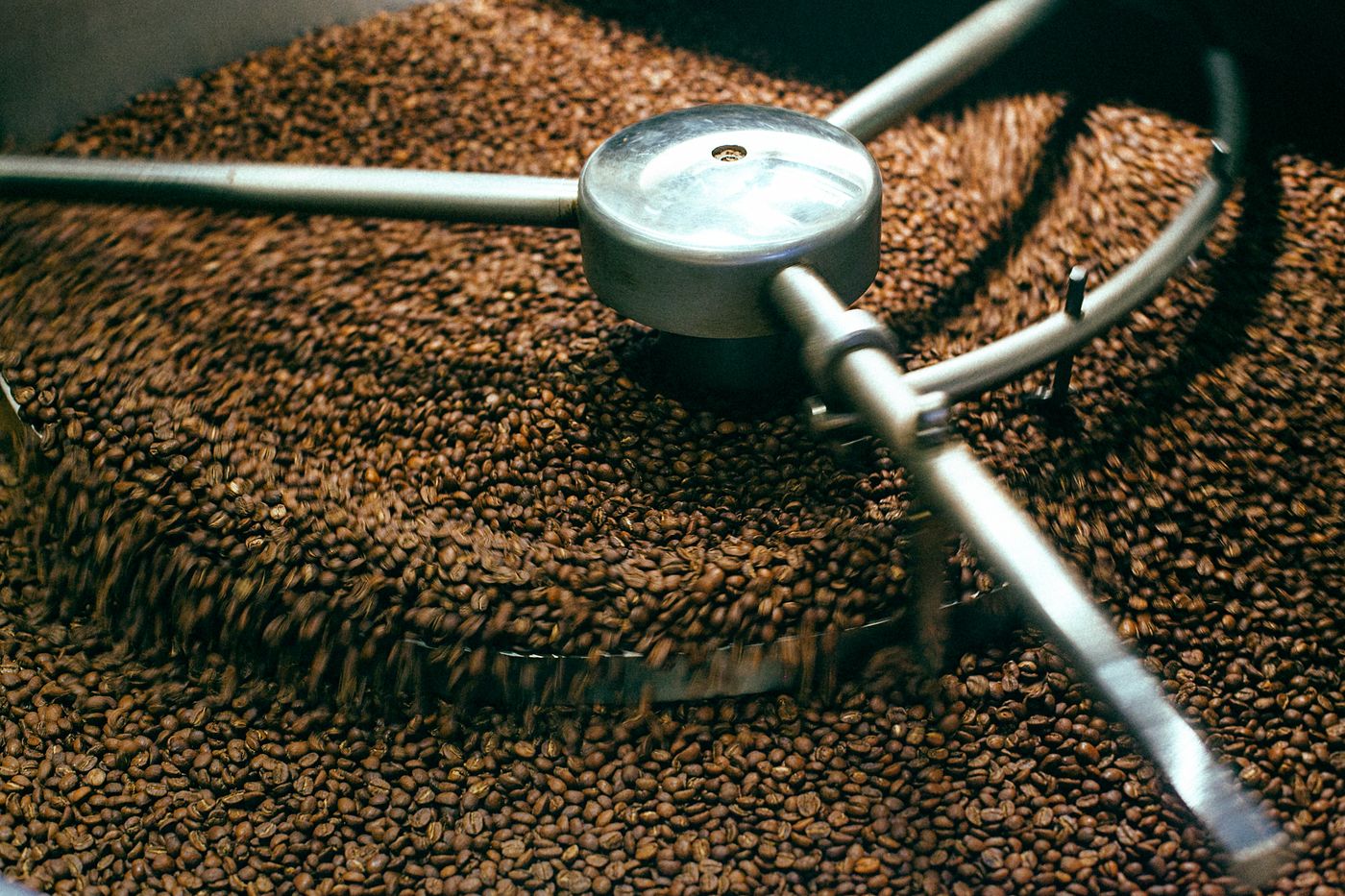
Roasted light on a fifteen-kilo Probat we call Marguerite.

Each lot is roasted separately, rested for thirty-six hours, then blended sixty-forty. The grind is coarse, like sea salt, and the steep is eighteen hours in filtered Melbourne rainwater at four degrees.

  • Roast: 11 min, 196 °C drop
  • Rest: 36 h
  • Steep: 18 h at 4 °C, 1 : 8
Coffee beans turning in a roaster drum

03Can

Sealed within the week
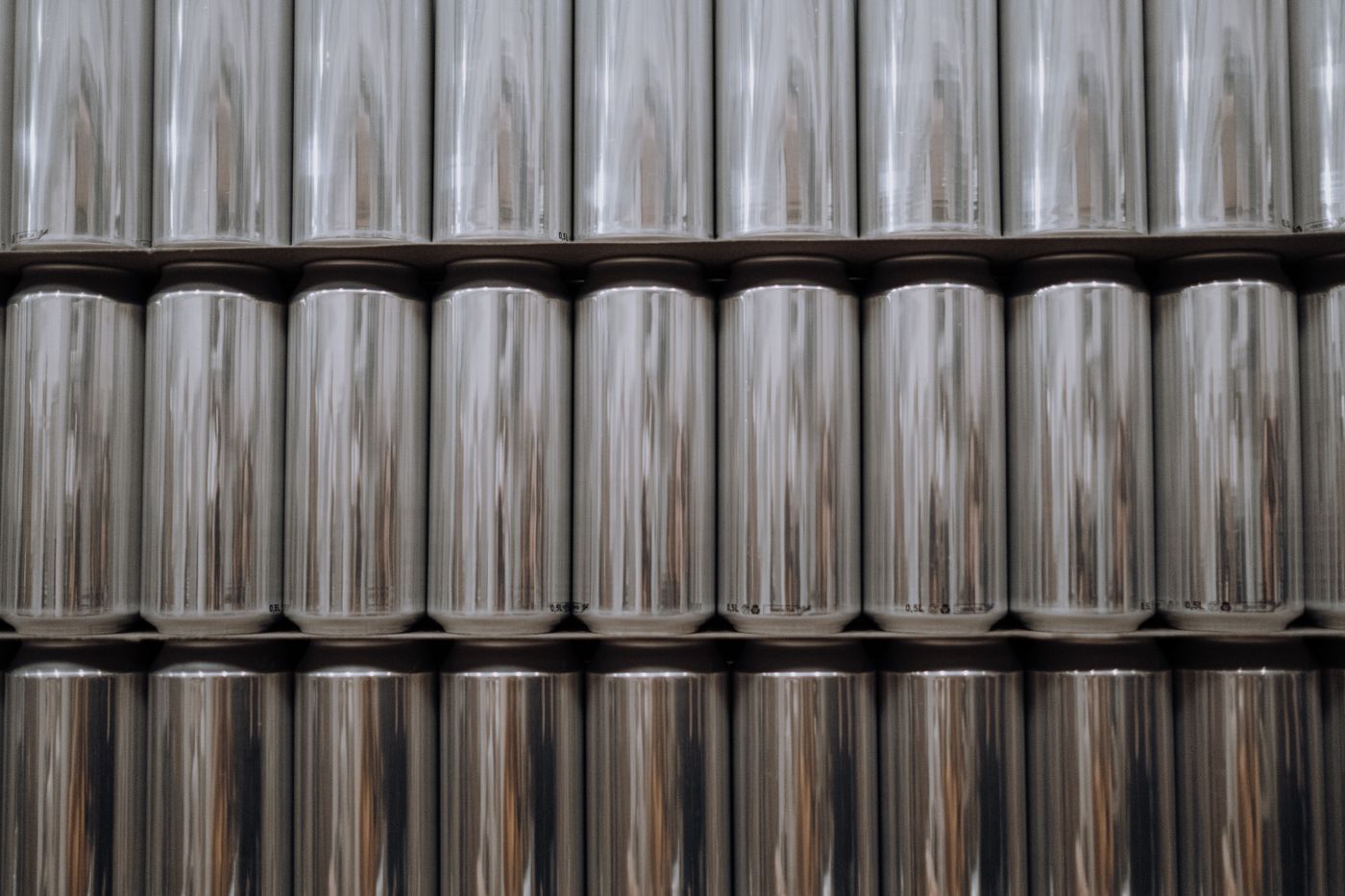
Rows of bare aluminium cans

Filtered twice, nitro-dosed, canned, and in your fridge by Thursday.

The brew is filtered through paper and then cloth, dosed with a whisper of nitrogen for a soft head, and sealed in a slim 250 millilitre can. We ship on Mondays, so the morning you open it is never far from the morning we made it.

  • Filter: 2 passes, by gravity
  • Shelf life: 12 months
  • Ship days: Monday, Australia-wide
Harvest calendar

Two hemispheres, two harvests, and a month in the middle where we hold our breath.

JanFebMarAprMayJunJulAugSepOctNovDec
Los NaranjosHuila, Colombia
Kebele HillsSidama, Ethiopia
MargueriteCollingwood, roasting
Main harvestMitaca (fly crop)Roasting, every Tuesday